Virgin Atlantic’s got it

I saw this TV ad for Virgin Atlantic for the first time last night. The airline first used it in 2010. As you can probably tell, I don’t watch a lot of TV. :)

It captured my imagination. Beautifully made. And it ticks a lot of “connection boxes.” Attractive people, terrific sound track – “I’m Feeling Good” – contemporary and futuristic settings, aspirational, even experiential, solid brand value, shows the company as leading edge.

I want to fly with people like that!

Embedded Link

Virgin Atlantic’s brand new TV advert – “Your airline’s either got it or it hasn’t” – Virgin Atlantic
Welcome to our first ever global TV advert. Featuring the strap-line ‘Your airline’s either got it or it hasn’t', the campaign takes the viewer on a metaphorical flight with Virgin Atl…

Google+: View post on Google+

Post imported by Google+Blog. Created By Daniel Treadwell.

Will iPads lead to better customer service?

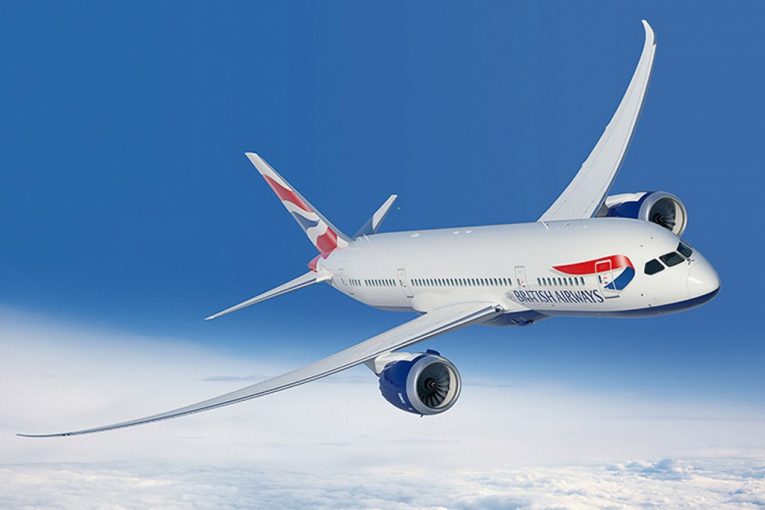
British Airways “revolutionises customer service using iPads,” says a BA press release on August 17 about a service trial that got quite a bit of attention this week.

baplaneinflight

The airline says it’s trialling iPads with 100 cabin crew to enable them to improve the service they give to passengers by, for instance, quickly identifying where they are seated, who they are travelling with, their Executive Club (frequent flyer programme) status and any special meal requests.

[...] It gives cabin crew a whole library of information at their fingertips including timetables, safety manuals and customer service updates. It also means any issues can be logged with ground-based colleagues around the network prior to departure so solutions can be delivered while the flight is airborne.

[...] Bill Francis, British Airways’ head of inflight customer experience, said: “The iPad is already allowing us to offer a more personalised onboard service, but the possibilities for future development are endless. We’re receiving great feedback from cabin crew and customers already.  It allows the crew to offer the thoughtful service they want to deliver and customers are treated as valued guests.”

BA says it plans to roll out iPads to all senior cabin crew across the airline in the coming months.

It’s the latest news about airlines and iPads. Earlier this week, news came that Delta Airlines in the US is trialling iPads with 22 pilots to provide them with digital content to replace the reams of paper manuals and maps they have to use. In June, Alaska Airlines said it was testing iPads with some of its pilots.

Will a tool like this actually “revolutionize” customer service as BA says, I wonder, as opposed to allowing its pilots to fly better or reducing aircraft weight by getting rids of loads of paper. Reading how BA explains it, I’d like to think it definitely would:

[...] When all the passengers have boarded and just before the doors are shut, cabin crew are currently handed a long scroll of paper, listing up to 337 customers. With the new iPads cabin crew will simply refresh their screen when the doors have closed through wireless 3G networks and they will have a complete list of passengers on board.

If that means that, one day, I can expect genuine personal attention from someone who will know a lot about my wishes and preferences, than I’d happily agree with BA’s superlative.

googleplus-sm“Revolutionize” is an interesting thought, though, that some others have as well judging from the comments to my Google+ post about this.

Armin Grewe expressed some major scepticism:

Revolutionizing customer service”? Sheesh, all it really does is replacing paper by a fancy tool. That’s not exactly “revolutionizing” in my books. Yes, it might improve it a bit and make a few things a bit easier/quicker/nicer, but as long as that’s all I don’t really see it changing that much. It’s just PR language, meaningless blurb. Same as everything for Steve Jobs is “magical”. Or “amazing”.

Jay Gilmore, doesn’t think tools nor rules make better customer service:

[...] What they are doing in this case is creating a way to automate and improve the customer experience through better personalization. Attitude and employee culture will dictate whether or not the service is any better regardless of the system.

Bernie Goldbach was practical:

Those iPads won’t help planes take off on time.

Paul Fabretti:

So revolutionised might sound sensational, but if the objective is to provide a better service, then why couldn’t the availability of more information truly revolutionise what BA do? Staff can be updated more readily with issues around baggage, weather, connections, delays, customers could log concerns or problems AHEAD of the flights and problems be resolved by the time they land.

(I agree, Paul, but I think what you’ve outlined is definitely aspirational rather than something that will happen as a result of this current trial.)

Alan Redman says that tools alone won’t improve customer service:

[...] it’s saying “our decision to help streamline information using iPads gives us the potential for better customer service.” The streamlining will create less confusion, thus simplifying the jobs of the flight attendants allowing them to focus more on the passenger. Basically, if someone is good at their job, better tools will make for better service, if someone is bad at their job or just doesn’t care, nothing is going to change that.

Great points of view, thanks to all who contributed. (Do you have a view? Add it here or at Google+.)

The question remains: Will iPads lead to better customer service? British Airways and many others are trying to figure that one out.

[Later] When I was writing this post, I wanted to include a photo of a BA cabin crew member greeting a customer or some such activity. So I started with a simple Google search for “british airways cabin crew.” I qualified the search by selecting sites with images.

Lots of results with some great photos. But most were related to media reports and other online content about BA cabin crew strikes earlier this year and last. Totally not the context I wanted when I provided attribution for a photo and link to the place it was published.

Part of the PR landscape, I suppose, but a nightmare to manage, don’t you think? Indeed, can you actually manage such a negative and reputation-damaging landscape?

(I also posted this question on Google+.)

FIR Cut: Travel and Twitter

twitterua

Overflow from FIR #580 on January 3, 2010.

Download this podcast (MP3, 4.16Mb; length 10:19)

If you want to automatically receive FIR Cuts as they’re published, subscribe to the RSS feed.

(What are FIR Cuts?)

Chaos theory

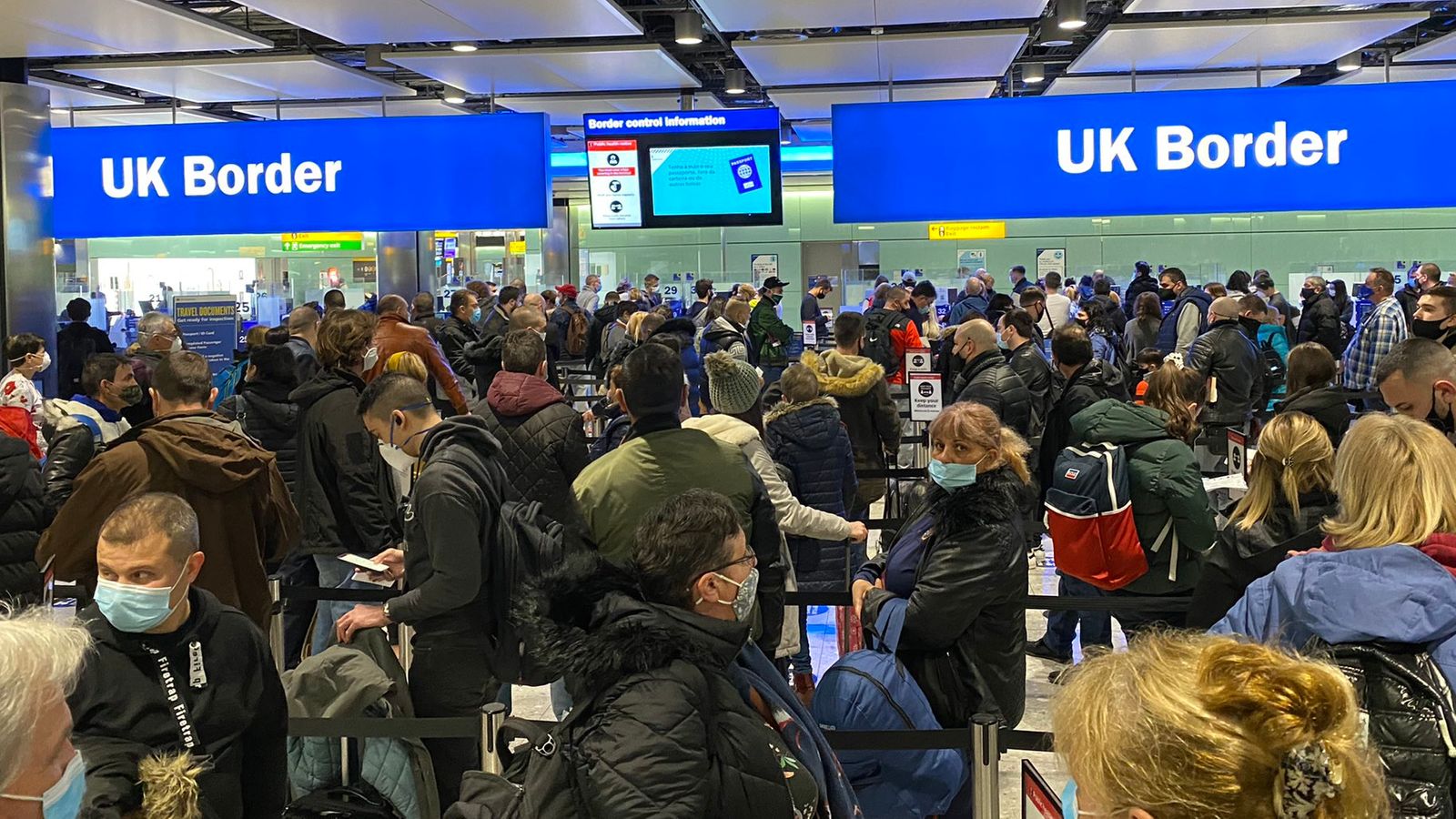
stuckatheathrowAll this weekend, I’ve been experiencing an increasing sense of disbelief when watching TV news reports of the utter chaos in the UK transportation network as a consequence of the severe weather conditions the country has been enduring.

Last night, Heathrow airport saw hundreds of stranded passengers spending their second night in the airport terminals in pretty poor circumstances as the airport remained essentially closed, apart from a handful of departures, all weekend.

It’s a little selfish perhaps, but I feel so thankful that I managed to get back to the UK from Switzerland late on Friday night: if I hadn’t been able to, I’m convinced I w0uld still be in Basel this Monday morning with no idea when I’d be able to return to the UK. I’m pretty sure it was touch and go that my British Airways flight to Heathrow actually did go, over four hours late, instead of being cancelled given the reality of so many flight cancellations on that day and severe congestion at Heathrow with no stands for arriving flights for hours. We were very lucky: on our landing approach, the pilot announced no air traffic delays and we go straight to a stand with no waiting.

To be sure, much of Europe has been affected by the severe weather of the past week and more, with airports closed and roads in chaos everywhere. Yet it seems to me that, in the UK, we seem especially prone to experiencing absolute disaster and complete chaos no matter how much snow falls, whether it’s an inch or two or a great deal more.

Seeing news reports of total and enduring chaos on the railways, buses, any form of public transportation, and on the roads generally, I really do despair. On Saturday morning, my wife and I ventured out in thick snow. It was clear that not a single road in our area appeared to have been gritted or treated with salt. Not even local motorways as this picture illustrates that my wife took from the car as we travelled gingerly on the A329M.

snow329m

I read stories that we’re not used to such weather in  the UK, we don’t have the infrastructure in terms of resources and equipment to deal with this kind of climatic event, and/or local councils don’t have the budget. Some or all of that may be true, yet is that it: keep calm and carry on? That’s the response to this? Just accept all the delays and chaos as part of the winter landscape? Accept that temperatures of less than minus 10 Celsius result in airport closures in contrast to temps of minus 20 Celsius or more and metres of snow at some  airports in other countries which have no problems in continuing operating (see this BAA Facebook page that explains what they do about airport ice and de-icing planes at Heathrow)? Do we expect the same again next year? Is it simply that we just don’t have a clue on how to cope?

I don’t have answers; I wish I did. I wish I could say to my local council: go out and buy snow ploughs, grit every single road around the clock, do whatever it takes to keep things going. The same for airlines and airports and other parts of the public transportation system.

Where is the money coming from for such things? That’s more a political question, I suspect.

Then there’s buying Christmas presents online and delivery delays because of the weather. I’m in that boat – items for Christmas ordered from Amazon UK in early December have still not arrived. I’m not feeling especially optimistic that we’ll see those before Christmas.

Meanwhile, I’m glad I bought a new snow shovel a few months ago: the best forward-looking investment I’ve made in years.

Related post:

UK snow woes

uksnowgoogle

The hot news in the UK at the moment is about the cold weather. Much of the country – notably Scotland and northeast England – has been gripped in bitter cold and blankets of snow for much of the past week.

The news headlines bring citizens’ frustrations and exasperation (or is it mainly the media’s frustrations and exasperation?) into sharp relief with uniformly critical reporting, commentary and opinion, led by that most sharpest-critical of newspapers, the Daily Mail.

No doubt there is much to point fingers at in the déjà vu experience we go through every winter, it seems, with what appears to be three snowflakes causing utter chaos everywhere with airports closed, trains not running and the transport system nationwide ground to a halt.

I’ve just returned from a few days’ business visit in Basel, Switzerland. It’s in a part of Europe that’s no stranger to winters with severe amounts of snow and ice, so they’re accustomed to both the expected and the unexpected, anticipate what to do every winter and plan accordingly.

Things aren’t quite like that in the UK, as is pretty obvious now. But to be fair, there has been some really severe weather this week,  worse than I saw in Basel and what’s been on the news about places points east, and with more serious outcomes. Take a look at this satellite photo that shows the snow blanket covering the UK and much of Ireland. You can hardly make out what the whole of southern England looks like. Quite a dramatic shot, received this morning by the University of Dundee Satellite Receiving Station from a NASA satellite named Terra.

Click the image below for a larger version.

uksnow2dec10

(Satellite photo courtesy NEODAAS/University of Dundee via BBC News.)

Helps put things in perspective a bit, doesn’t it?

Finally, a little photo mashup – a 30-second Animoto video of six photos I took this morning at Basel airport of an airport maintenance crew de-icing/defrosting a parked jet.  Almost a ballet.

Related: compare the satellite photo above with a similar photo from January 2010. Things look a bit worse then compared to now.